Single Picture
4-Panel Sequence
6-Panel Sequence
ATC Communication
1
Tire Burst โ€” Rejected Takeoff & Emergency Evacuation
FC-1
Aviation scene illustration
๐Ÿ“– Scenario

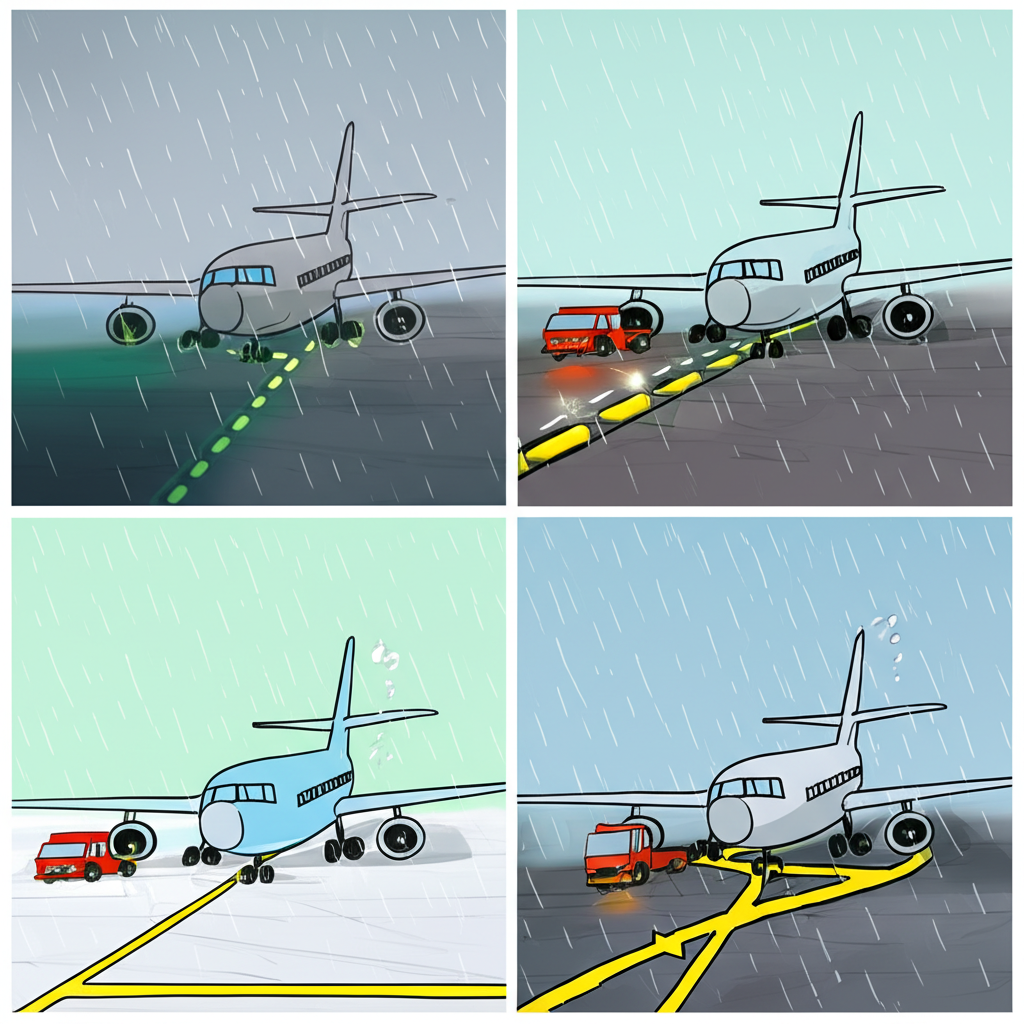
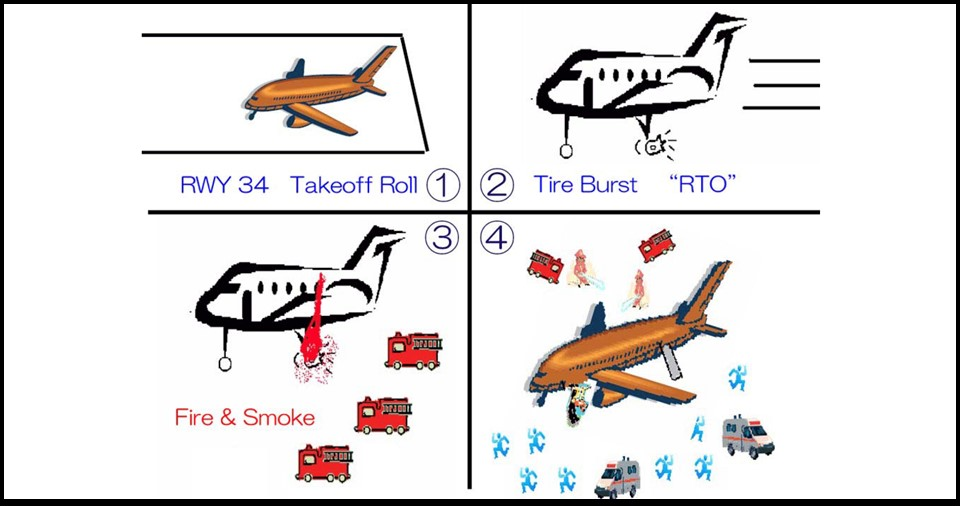
Last week, I began my takeoff roll from RWY34. While accelerating, one of the tires burst and I rejected the takeoff. Smoke and fire were visible near the main gear. Fire trucks quickly responded, and we initiated an emergency evacuation from the left side. Ambulances were standing by on scene.

Panel 1

Aircraft on RWY34 during takeoff roll โ€” tire burst occurs.

Panel 2

Smoke and fire near main gear โ€” fire trucks approaching.

Panel 3

Emergency evacuation begins โ€” passengers exiting left-side doors.

Panel 4

All occupants evacuated โ€” ambulances and fire crews on scene.

๐Ÿ’ฌ Examiner Q&A
1Can you detect fire or smoke in the main gear area from the cockpit?
Yes. The cockpit has fire warning lights and EICAS alerts for landing gear fires. Ground crew and ATC may also report visible smoke or flames to the crew.
2What actions do you take in the cockpit during an emergency evacuation?
We initiate the evacuation checklist, communicate with the cabin crew, notify ATC, shut down the engines, cut fuel supply, and secure all systems to prevent further hazards.
3How does the RTO decision change around 80 knots?
Below approximately 80 knots we may reject for any confirmed abnormality. Above 80 knots we reject only for critical failures โ€” engine fire, loss of directional control, or a crew call to reject. Minor issues are handled after takeoff.
4Why do passengers evacuate from the left side when fire is near the right gear?
The left side provides a clear escape route away from the fire. Using right-side exits would expose passengers to smoke and explosion risk. The cabin crew assess all exits and direct passengers away from the hazard.
5Why are evacuation roles divided between L1 and R4?
Dividing roles between the forward (L1) and rear (R4) positions ensures simultaneous control of passenger flow at both ends of the cabin, maximizing speed and minimizing bottlenecks at exits.
Key Vocabulary
Rejected Takeoff (RTO)Tire burstEmergency evacuationEvacuation checklistDecision speed (V1)Fire suppression
2
Sea-Land Breeze โ€” Visual Approach, PAPI, Go-Around
FC-7
Aviation scene illustration
๐Ÿ“– Scenario

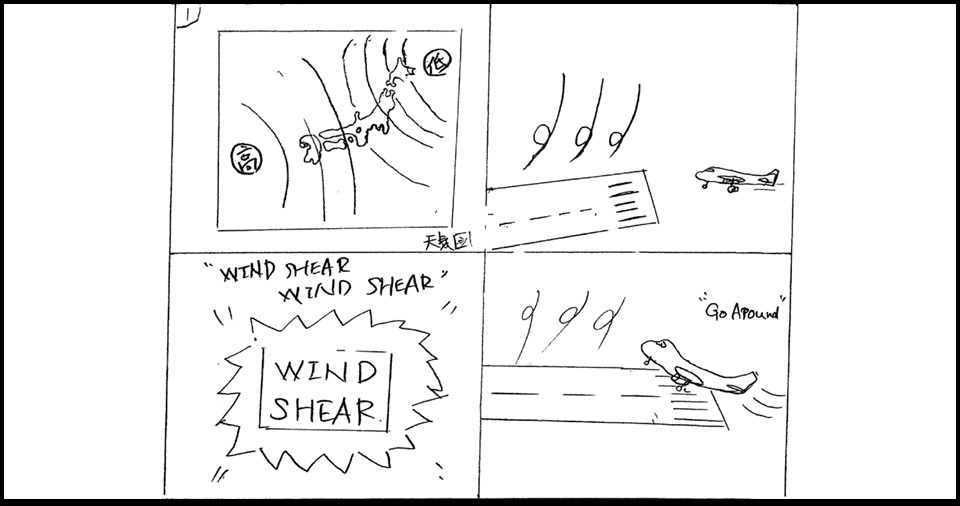
Last week, I flew to a coastal airport and initially planned a visual approach to RWY09. The wind changed direction, making RWY09 a tailwind runway, so I switched to RWY27. On approach to RWY27, the approach distance was shorter. When I aligned with the runway, the PAPI showed four whites โ€” indicating I was too high โ€” and I performed a go-around.

Panel 1

Aircraft inbound โ€” initially planned visual approach to RWY09.

Panel 2

Wind direction changes โ€” switch to visual approach RWY27.

Panel 3

PAPI shows 4 whites โ€” aircraft is significantly above glide path.

Panel 4

Go-around executed โ€” aircraft climbs away from runway.

๐Ÿ’ฌ Examiner Q&A
1Why does sea-land breeze occur?
Sea-land breeze is caused by the temperature difference between land and sea. During the day, land heats faster than water, causing warm air to rise over land and drawing cooler sea air in. At night, the process reverses. This creates a regular wind direction change at coastal airports.
2How did you know you were on a high approach path?
The PAPI showed four white lights, indicating the aircraft was well above the ideal glide slope. Normally, a correct approach shows two red and two white lights. Four whites means too high; four reds means too low.
3At what type of airport does this situation occur more often?
Coastal and island airports are most affected, as they experience regular sea-land breeze cycles. The wind direction can shift significantly within a short time, requiring runway changes during operations.
4Do you prefer visual approaches? Why?
Visual approaches can be rewarding as they require greater situational awareness and judgment. However, they depend on good visibility and clear weather. I always ensure stabilized approach criteria are met, regardless of approach type.
Key Vocabulary
PAPI (Precision Approach Path Indicator)Visual approachSea-land breezeGo-aroundGlide slopeStabilized approach
๐Ÿ”’

More Scenarios โ€” Full Access

Unlock all 4-Panel Sequence scenarios with illustrations, examiner Q&A, and key vocabulary.

Unlock Full Access โ€” $4.99

One-time payment ยท Instant access ยท Powered by Ko-fi

Already purchased? Enter your access code: