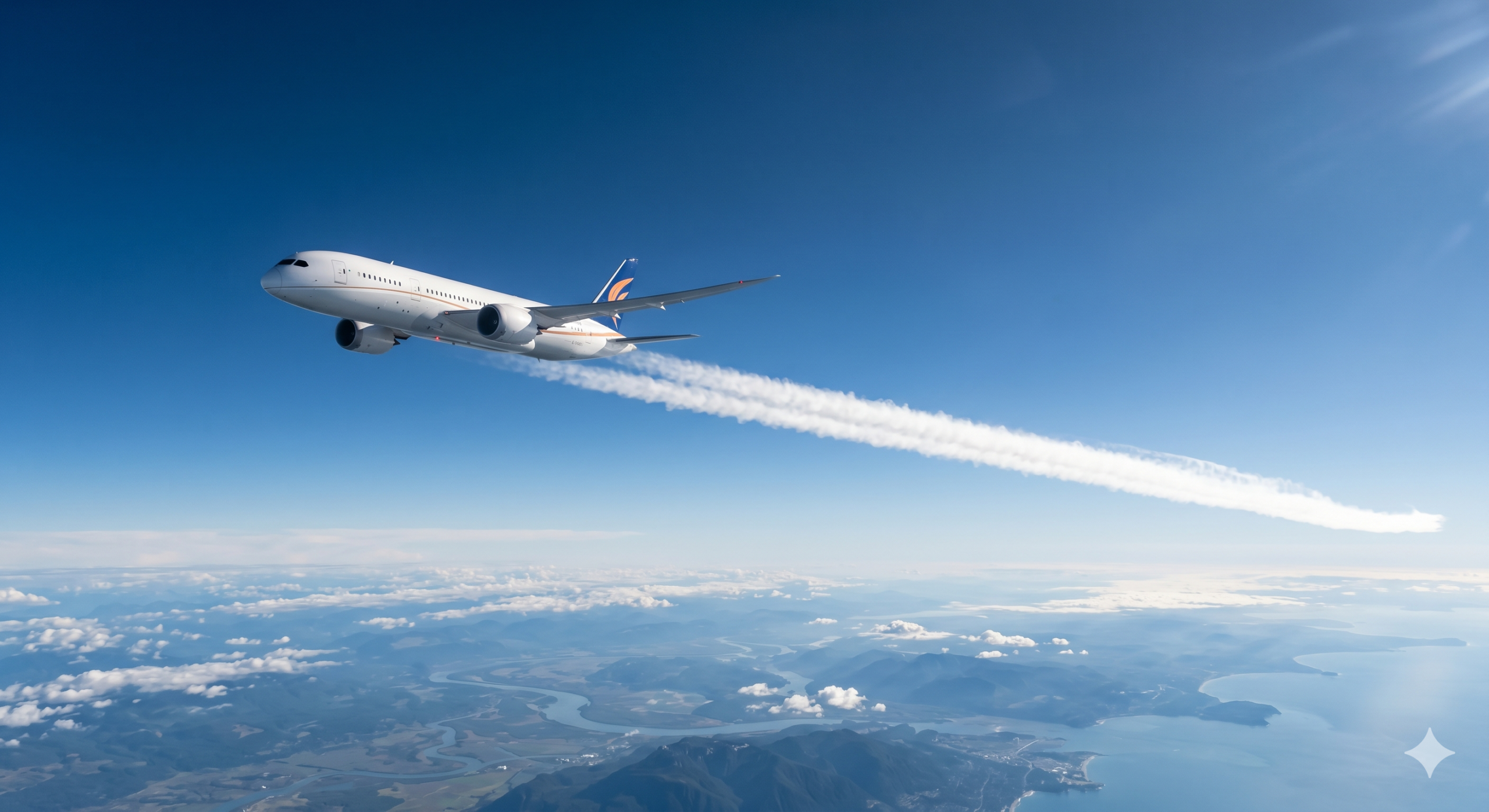
For many non-native English speaking pilots, the picture description section is the most stressful part of the ICAO ELP test. You’re handed a photo — often depicting an aviation emergency or unusual situation — and asked to describe and discuss it in English, on the spot.
It doesn’t have to be as difficult as it feels. Here’s a framework that works.
What the Examiner Is Actually Assessing
The examiner isn’t looking for perfect English. They’re evaluating four things:
- Vocabulary — Can you describe what you see accurately?
- Structure — Are your sentences grammatically coherent?
- Fluency — Do you speak naturally without excessive hesitation?
- Interaction — Can you respond appropriately when the examiner asks follow-up questions?
The key insight: getting the content across clearly matters more than speaking perfect English. A clear, organized description in imperfect English outscores a hesitant, disorganized description in technically correct English.
A Three-Step Framework
Step 1 — Overview (One Sentence)
Start with the big picture. Where is this? What’s the main thing happening?
“This appears to be taken at an airport, and it looks like an aircraft has made an emergency landing.”
This sentence sets the scene and signals to the examiner that you understood the image.
Step 2 — Details (Systematic Description)
Work through what you can see: people, objects, environment, weather, time of day. Be methodical rather than jumping around.
Useful phrases:
- “In the foreground, I can see…”
- “On the left side of the image…”
- “The aircraft appears to be…”
- “There seem to be several people who…”
Step 3 — Analysis (Informed Speculation)
This is where many pilots stop short. Go beyond describing what you see — offer context and interpretation.
“This looks like it might be the result of a bird strike on approach, based on the damage visible near the engine. The emergency services appear to have responded quickly, which suggests the airport emergency plan was activated.”
This is the part that separates Level 4 from Level 5 responses.
The One Practice Habit That Makes the Biggest Difference
Practice with real aviation images — out loud, every day.
Not in your head. Out loud. Describe the image as if you’re in the exam. Record yourself. Listen back. Identify where you hesitate, what vocabulary you’re missing, where your sentences fall apart.
Five minutes a day of this practice will improve your picture description ability faster than any other method.